




Cárdigan Pim Pam

€9.68
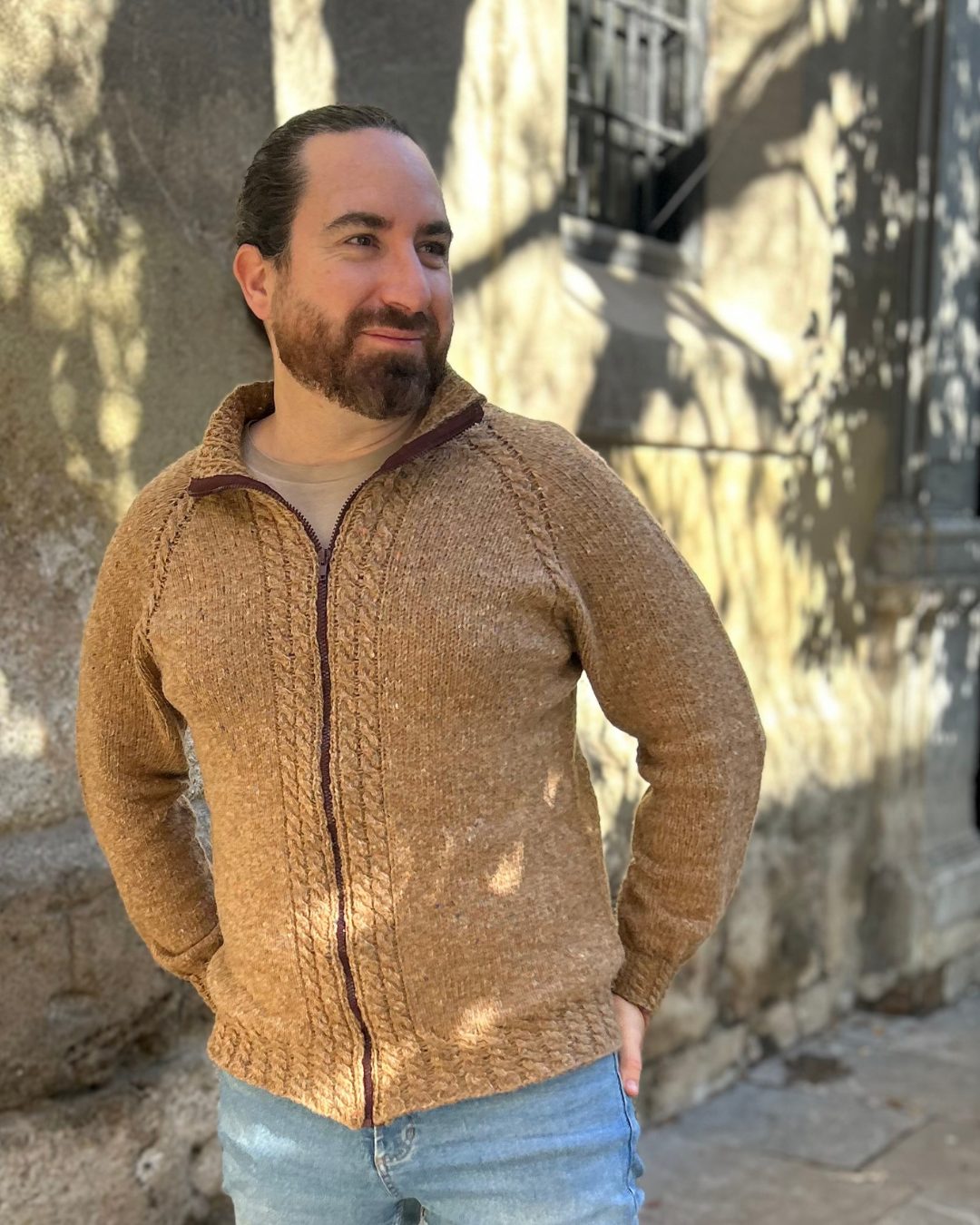
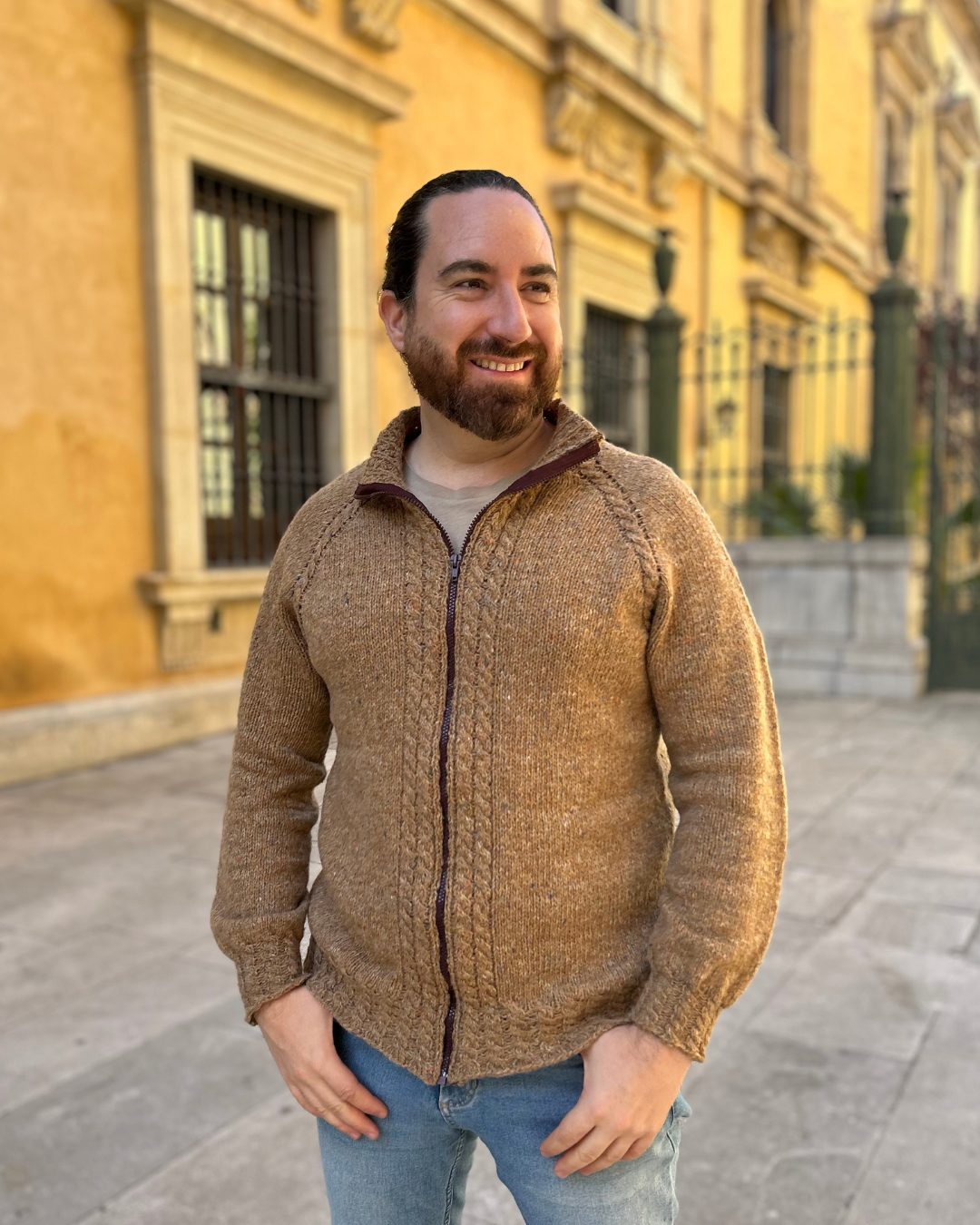
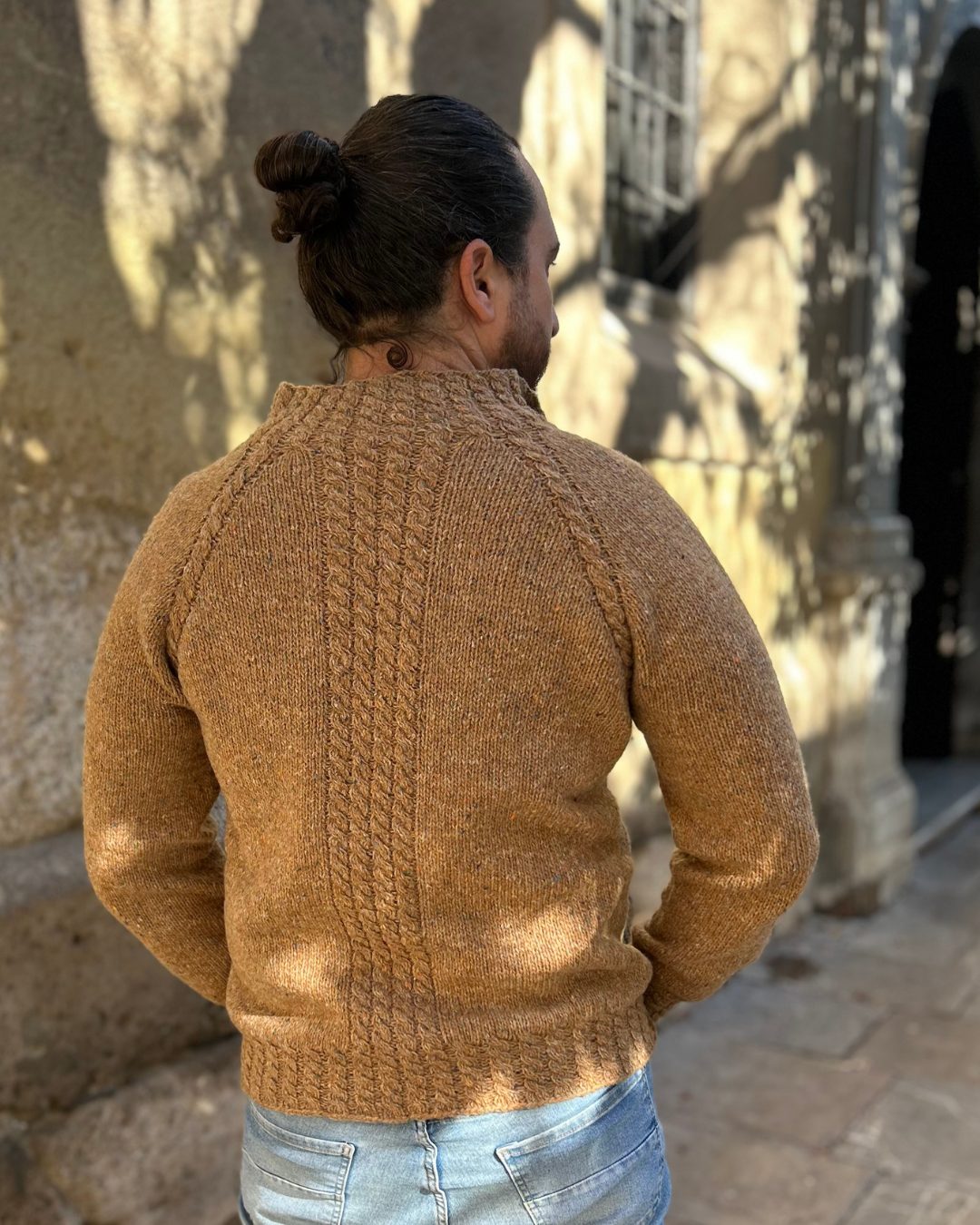
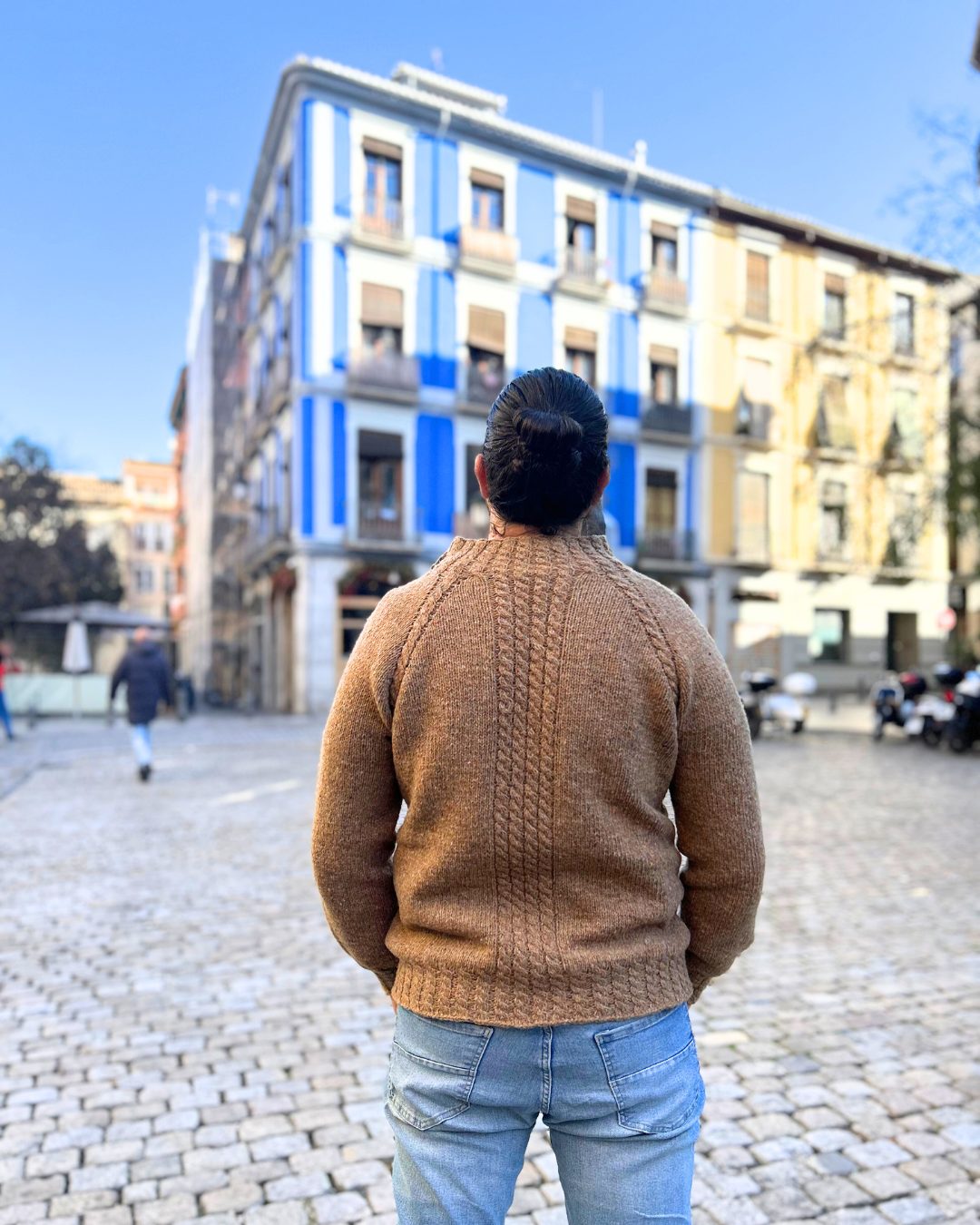
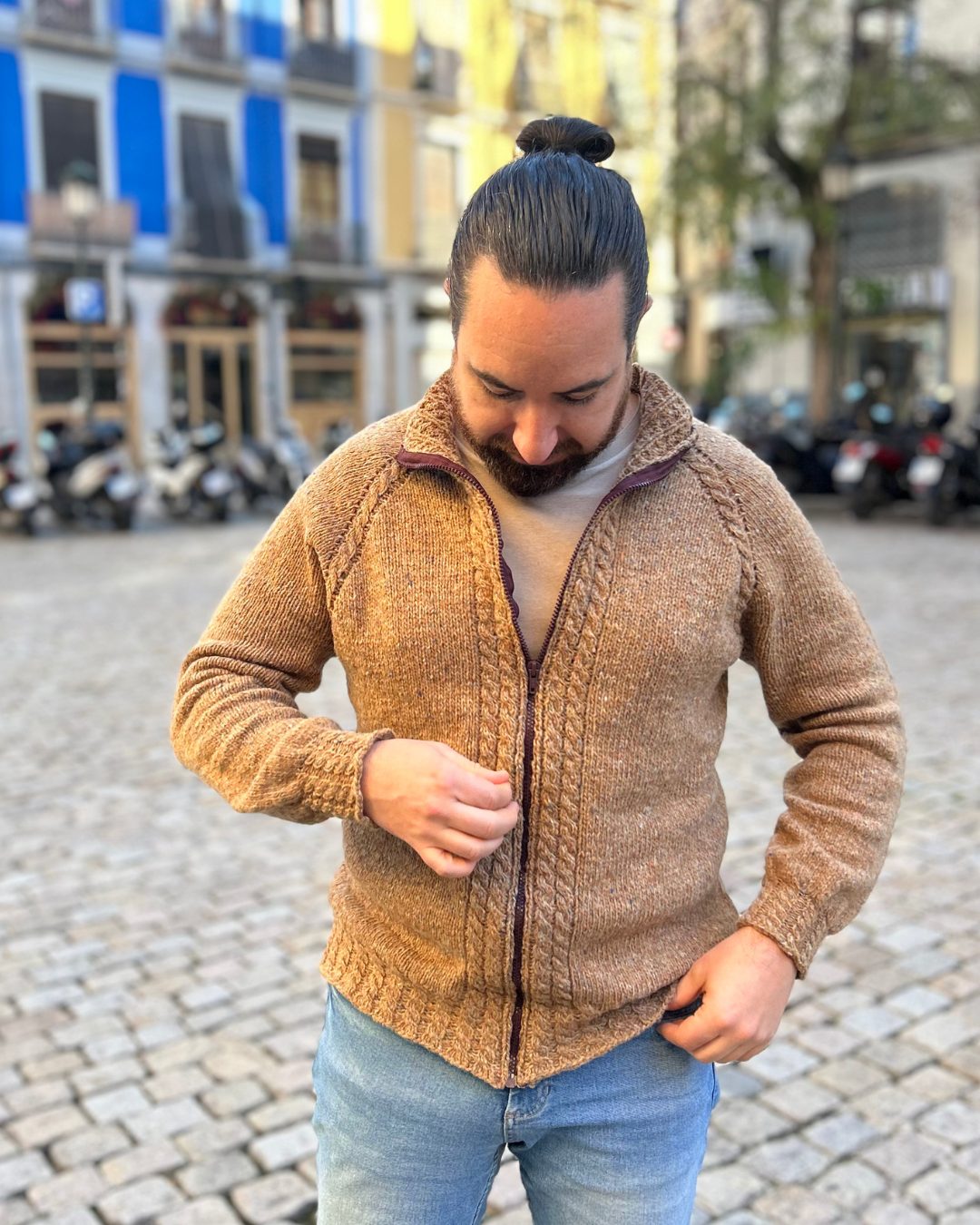
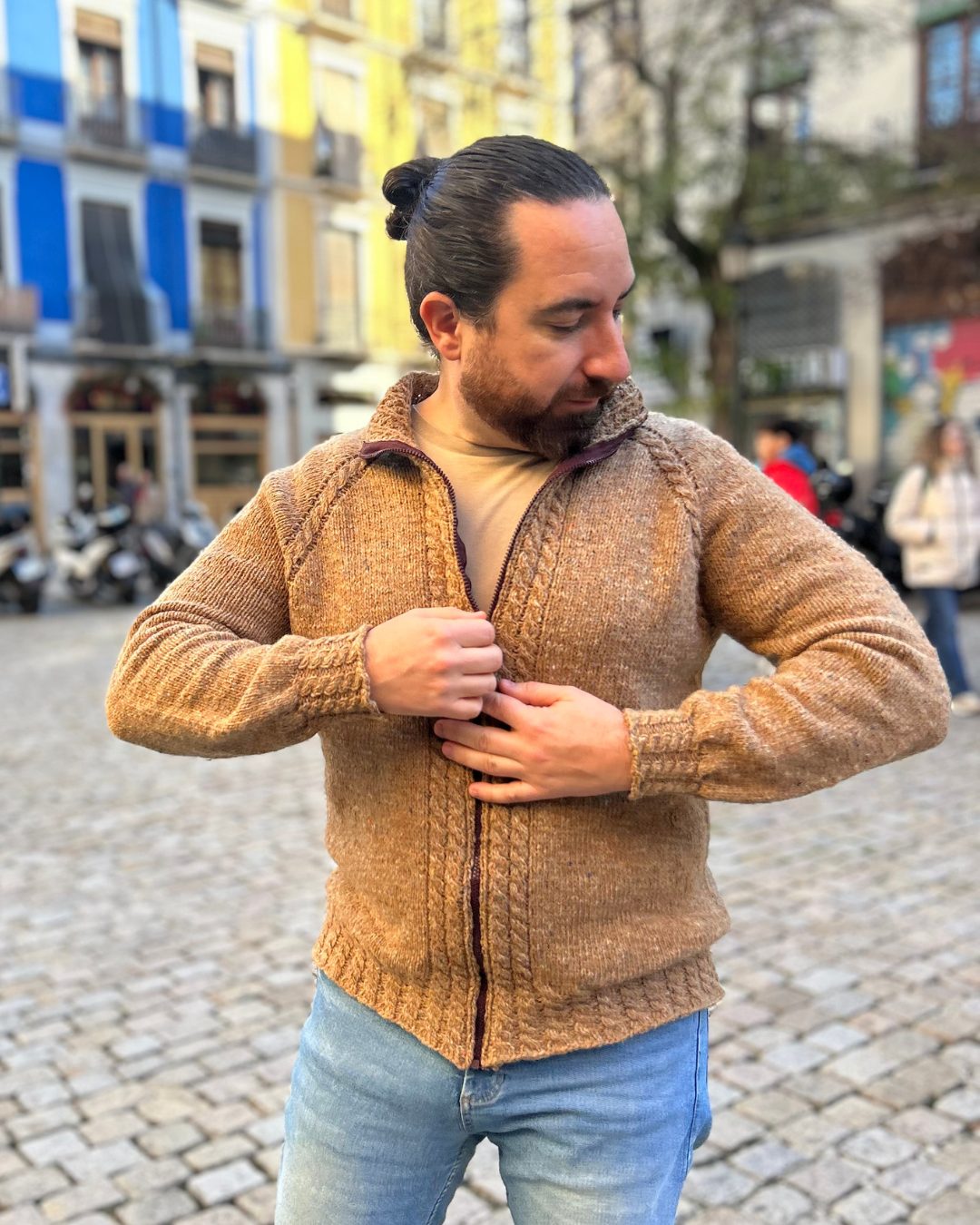
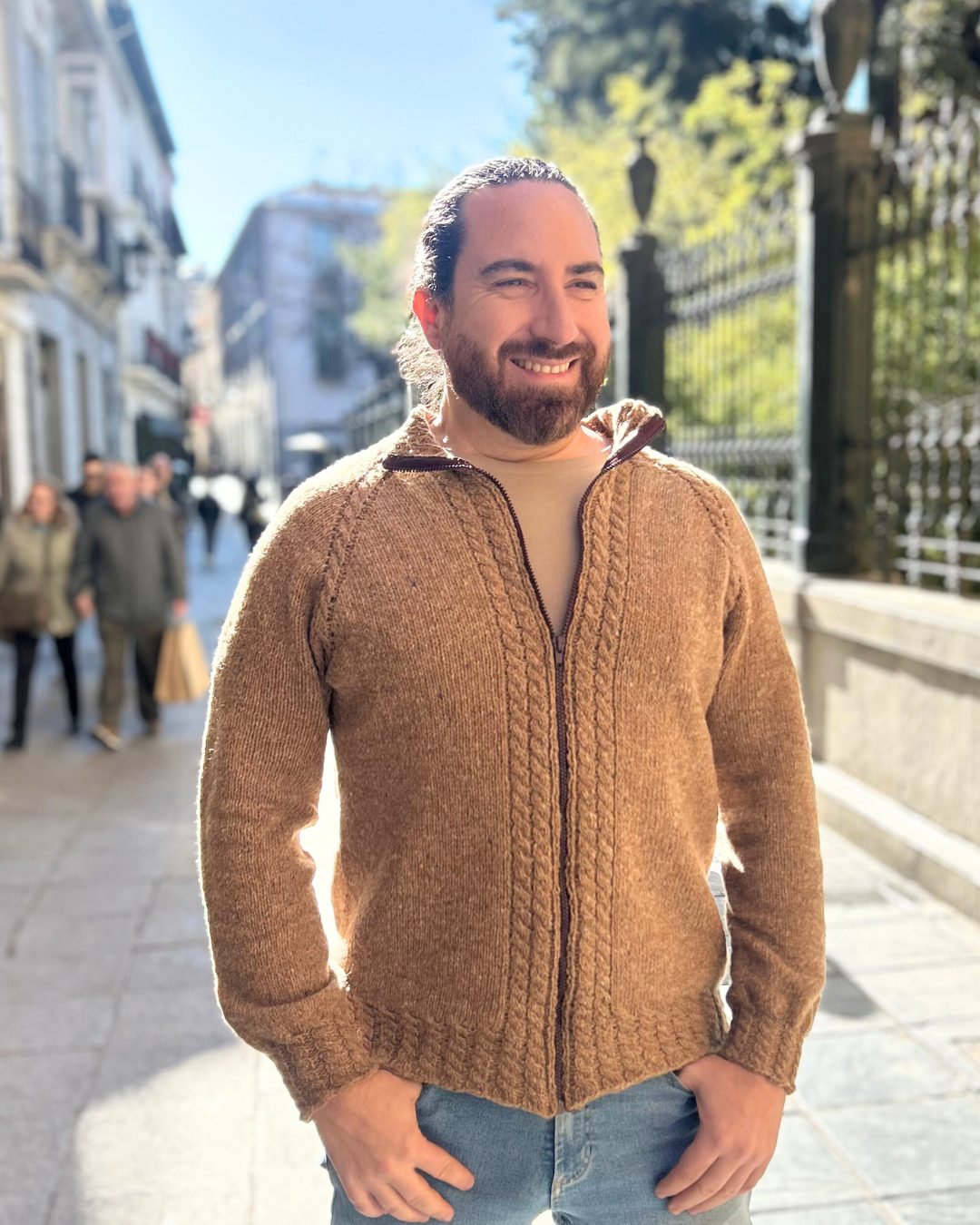
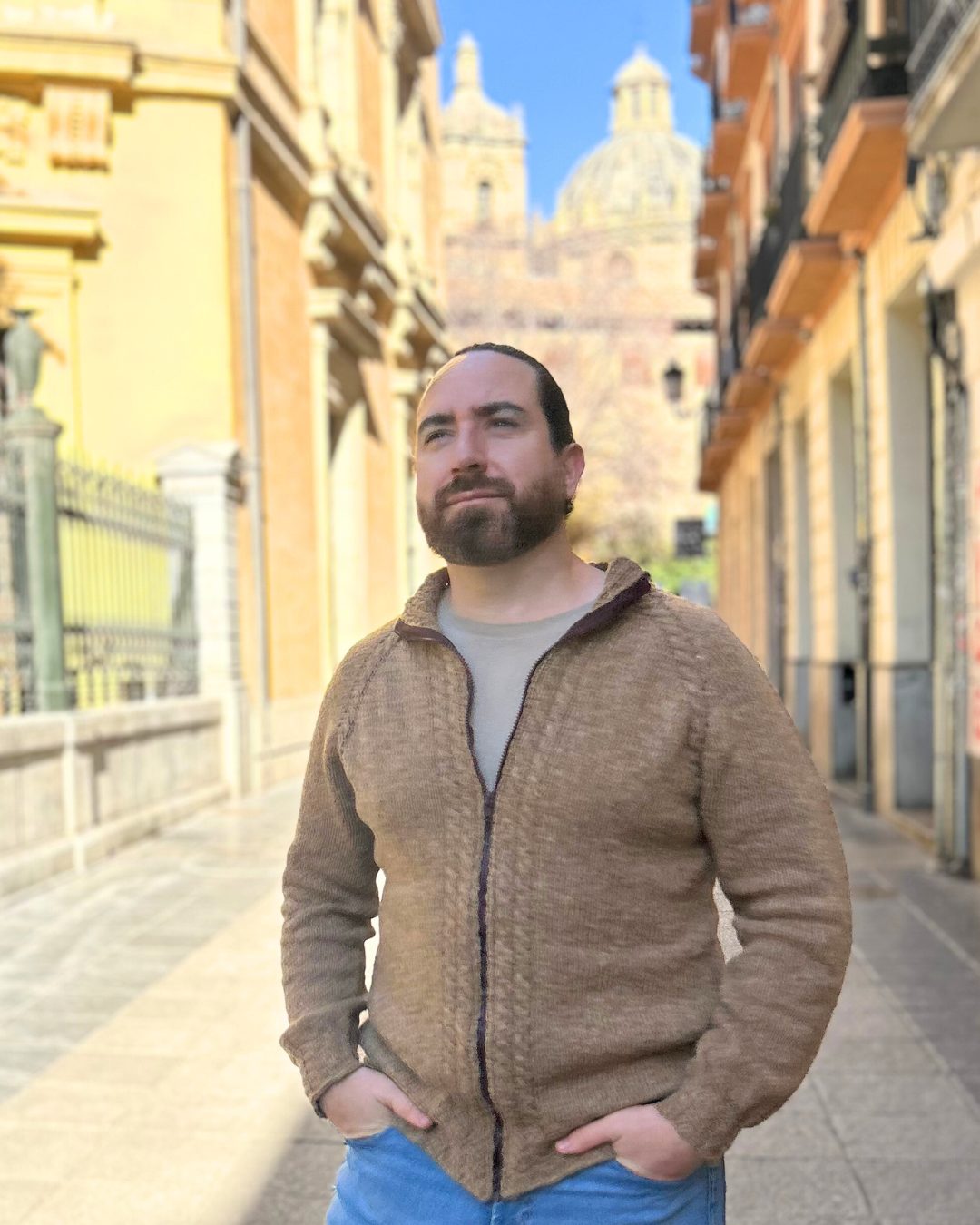
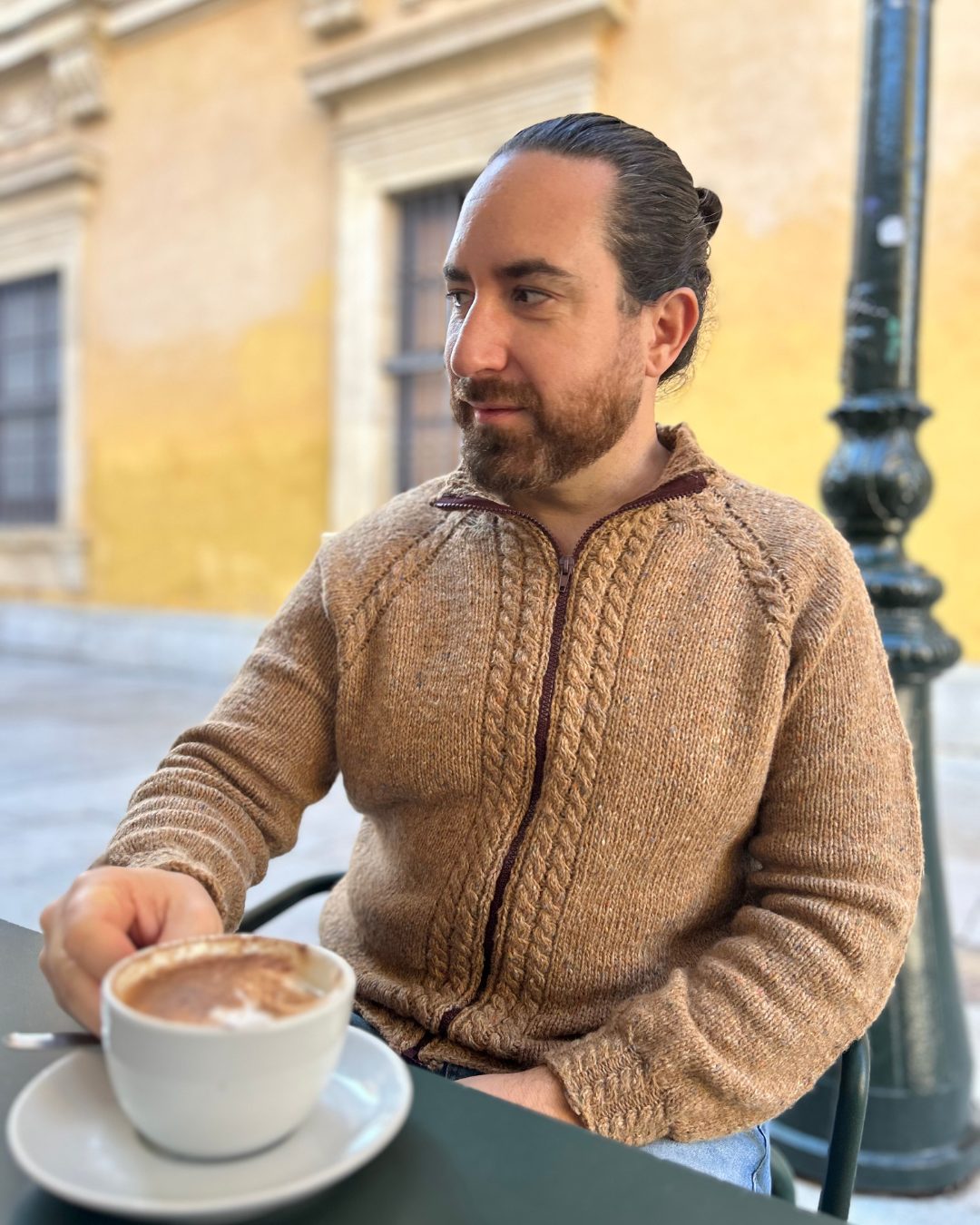
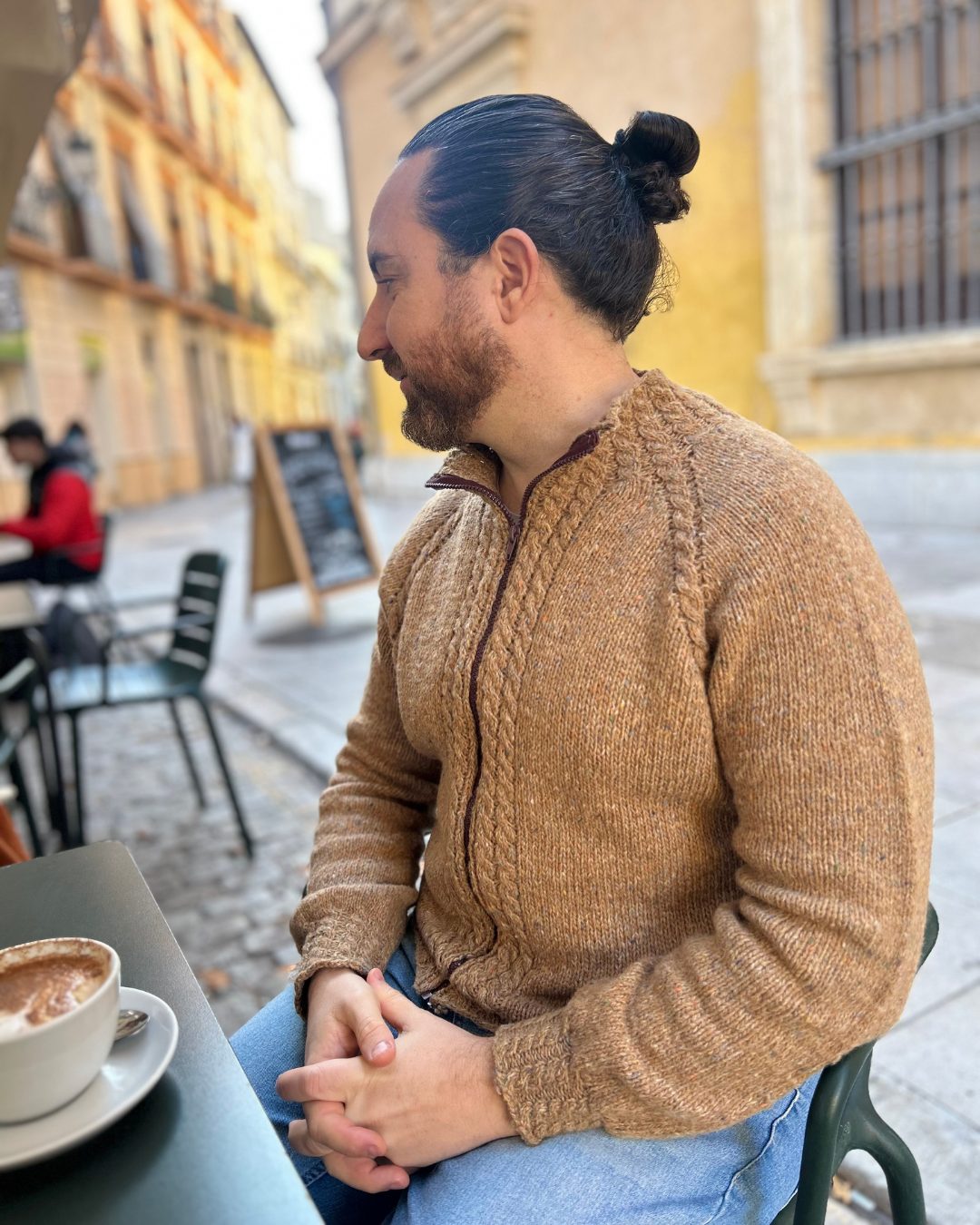
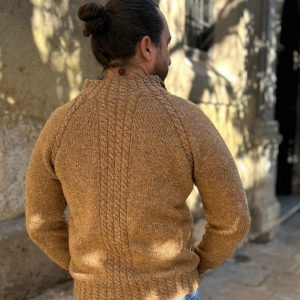
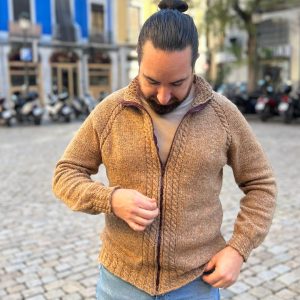
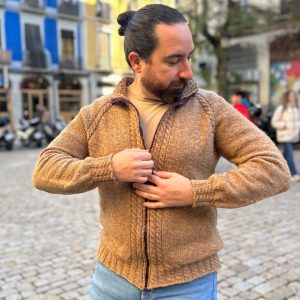
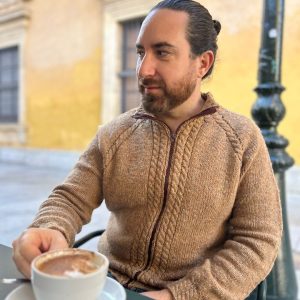
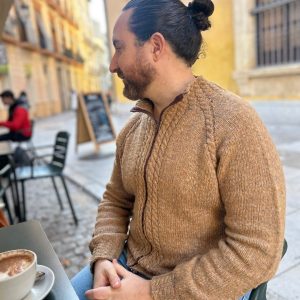
El Cárdigan Pim, pam es una prenda versátil y llena de encanto, diseñada para que disfrutes cada paso del proceso. Se teje de arriba hacia abajo (top-down) y en circular, y se transforma al final mediante la técnica del steek para abrirla y convertirla en una cárdigan moderna y perfecta para el día a día. Sus mangas raglán, el cuello alto y el elegante motivo de trenzas —presente en los bordes, en las líneas raglán y en el centro del delantero y de la espalda— le dan un acabado cuidado y muy especial.
DISPONIBLE EN ESPAÑOL
AVAILABLE IN ENGLISH
DISPONIBILE IN ITALIANO
Comenzarás tejiendo el cuello con su trenza característica y, después, abrirás el tejido para dar forma al canesú raglán. Una vez completado, separarás las mangas del cuerpo para continuar tejiendo este último en circular. Al terminar el cuerpo, recuperarás los puntos de las sisas para trabajar las mangas y darles su forma final.
El toque mágico llega con el steek: reforzarás el delantero, harás el corte y abrirás la prenda. Luego solo tendrás que decidir si prefieres añadir tapetas tejidas o rematarla con una cremallera para un estilo más contemporáneo.
Y si lo tuyo son los jerséis cerrados, no te preocupes: en las instrucciones también encontrarás la opción para tejer la versión sin steek.
HILADO
La Madrilana DK de DLana* (100% lana merina) (235 m/100 g). Puedes encontrar el kit en este enlace y obtener un 10% de descuento con el código PimPamBeagle.
En la muestra se ha usado el color Camel Merzouga (014).
| TALLA | METROS |
| 1 | 1050 |
| 2 | 1200 |
| 3 | 1300 |
| 4 | 1450 |
| 5 | 1600 |
| 6 | 1750 |
| 7 | 1900 |
TALLAS Y MEDIDAS FINALES
1 (2: 3: 4) (5: 6: 7) para contornos de pecho de 85 (95: 105: 115) (125: 135: 145) cm.
Las medidas (en cm) son aproximadas y corresponden a la prenda terminada. Te aconsejo una holgura positiva de unos 10 cm.
| TALLA | 1 | 2 | 3 | 4 | 5 | 6 | 7 |
| CONTORNO DE PECHO | 95 | 105 | 115 | 125 | 135 | 145 | 155 |
| MANGA SUPERIOR | 33,5 | 36,5 | 40 | 44 | 46 | 48,5 | 53 |
| PROFUNDIDAD SISA | 20 | 22,5 | 25 | 27,5 | 30 | 32,5 | 35 |
| LARGO DESDE SISA | 41 | 42 | 43 | 44 | 45 | 45 | 46 |
| MANGA DESDE SISA | 44 | 45 | 47 | 49 | 52 | 52 | 53 |
MATERIALES
- Agujas circulares de 4 mm (o las necesarias para obtener la muestra de tensión) y diversos cables en función de la sección del jersey.
- Agujas circulares del tamaño inferior a las anteriores (para las tapetas).
- Aguja auxiliar de trenzas (opcional).
- Marcadores de distintos colores.
- Hilo de desecho del mismo grosor del hilado principal para el refuerzo del steek (opcional).
- Ganchillo de 4 mm para el refuerzo del steek (opcional).
- Hilo de coser del mismo color del hilado para sujetar los puntos del steek (opcional).
- Cinta de algodón, para cubrir los puntos del steek (opcional).
MUESTRA DE TENSIÓN
18 p y 28 vtas en un cuadrado de 10×10 cm en punto jersey en circular DESPUÉS de bloquear.
NIVEL DE DIFICULTAD Y CONOCIMIENTOS NECESARIOS
Intermedio. Debes saber hacer (encontrarás vídeos en la sección VÍDEOS DE TÉCNICAS):
- Montaje retorcido alemán.
- Montaje de lazada retorcida.
- Vueltas cortas alemanas.
- Aumentos simples del derecho y del revés.
- Disminuciones simples.
- Cruces de puntos.
- Cierre elástico.
- Retomar puntos de las mangas.
- Steek (sólo versión cárdigan).
- Levantar puntos (sólo versión cárdigan).
The Pim, Pam Cardigan is a versatile, charming garment designed to make every step of the knitting process enjoyable. It’s worked top-down in the round, and finished with a magical transformation: a steek that opens the knitting to turn it into a modern, everyday cardigan. Raglan sleeves, a high neck, and a beautiful cable motif —featured along the edges, the raglan lines, and down the center front and back— give it a polished and distinctive look.
You’ll begin by knitting the high neck with its signature cable, then move on to shaping the raglan yoke. Once the yoke is complete, the sleeves are separated and the body is worked in the round. After finishing the body, you’ll return to the held stitches at the underarms to shape the sleeves.
The magic happens with the steek: you’ll reinforce the front, make the cut, and open the piece. Then you can decide whether to add knitted plackets or finish it with a zip for a more contemporary style.
And if you prefer a classic pullover, don’t worry —the written instructions also include an option to knit it without the steek.
YARN
La Madrilana DK from dLana* (100% merino wool) (235 m/100 g).
The sample shown used the colour Camel Merzouga (014).
Approximately:
| SIZE | METRES |
| 1 | 1050 |
| 2 | 1200 |
| 3 | 1300 |
| 4 | 1450 |
| 5 | 1600 |
| 6 | 1750 |
| 7 | 1900 |
SIZES AND FINAL MEASUREMENTS
1 (2: 3: 4) (5: 6: 7) to fit chest circumferences of 85 (95: 105: 115) (125: 135: 145) cm.
These measurements (in cm) are approximate and correspond to the finished garment. I recommend choosing a size with positive ease of about 10 cm.
| SIZE | 1 | 2 | 3 | 4 | 5 | 6 | 7 |
| CHEST CIRCUMFERENCE | 95 | 105 | 115 | 125 | 135 | 145 | 155 |
| UPPER ARM | 33.5 | 36.5 | 40 | 44 | 46 | 48.5 | 53 |
| ARMHOLE DEPTH | 20 | 22.5 | 25 | 27.5 | 30 | 32.5 | 35 |
| LENGTH FROM UNDERARM | 41 | 42 | 43 | 44 | 45 | 45 | 46 |
| SLEEVE FROM UNDERARM | 44 | 45 | 47 | 49 | 52 | 52 | 53 |
MATERIALS
- 4 mm circular needles (or size needed to get gauge) and various cables depending on the section of the garment.
- Circular needles one size smaller than the above (for the plackets).
- Cable needle (optional).
- Stitch markers of different colours.
- Waste yarn of the same weight as the main yarn for the steek reinforcement (optional).
- 4 mm crochet hook for reinforcing the steek (optional).
- Sewing thread of the same colour as the main yarn to sew down the steek stitches (optional).
- Cotton ribbon to cover the steek stitches (optional).
GAUGE
18 sts and 28 rows gives a square of 10 x10 cm in stockinette stitch in the round AFTER blocking.
DIFFICULTY LEVEL AND NECESSARY KNOWLEDGE
Intermediate. You should know how to do (you will find videos in the TECHNIQUE VIDEOS section):
- German twisted cast-on.
- Backwards loop cast-on.
- German short rows.
- Single knit and purl increases.
- Single decreases.
- Cables.
- Stretchy bind-off.
- Picking up stitches for the sleeves.
- Steek (cardigan version only).
- Picking up stitches (cardigan version only).
Il Pim, Pam Cardigan è un capo delizioso e versatile, creato per rendere piacevole ogni fase della lavorazione. È lavorato top-down e in tondo e termina con una magica trasformazione: uno steek che apre il lavoro e lo fa diventare un cardigan moderno e per tutti i giorni. Le maniche raglan, il collo alto e un bel motivo a treccia — che appare lungo i bordi, le linee del raglan e nella parte centrale del davanti e del dietro – gli danno un’aria rifinita e molto particolare.
Si comincia lavorando il collo alto con la sua caratteristica treccia, poi si procede sagomando lo sprone raglan. Una volta terminato lo sprone, si separano le maniche e si lavora in tondo il corpo. Finito il corpo, si riprendono le maglie in sospeso al giromanica per sagomare le maniche.
La magia avviene con lo steek: dopo aver rinforzato il davanti, si taglia e si apre la lavorazione. A questo punto potrai decidere se aggiungere delle tasche lavorate a maglia oppure una zip per uno stile più contemporaneo.
Se preferisci un classico maglione, non preoccuparti — nelle istruzioni scritte troverai un’opzione per lavorare senza lo steek.
FILATI
La Madrilana DK di dLana* (100% lana merino) (235 m/100 g).
Per l’esempio mostrato è stato usato il colore Camel Merzouga (014).
Circa:
| TAGLIA | METRI |
| 1 | 1050 |
| 2 | 1200 |
| 3 | 1300 |
| 4 | 1450 |
| 5 | 1600 |
| 6 | 1750 |
| 7 | 1900 |
TAGLIE E MISURE FINALI
1 (2: 3: 4) (5: 6: 7) per una circonferenza busto di 85 (95: 105: 115) (125: 135: 145) cm.
Le misure qui indicate (in cm) sono approssimate e si riferiscono al capo finito. Ti suggerisco di lavorare con un agio di 10 cm.
| TAGLIA | 1 | 2 | 3 | 4 | 5 | 6 | 7 |
| CIRCONFERENZA BUSTO | 95 | 105 | 115 | 125 | 135 | 145 | 155 |
| PARTE SUPERIORE BRACCIO | 33.5 | 36.5 | 40 | 44 | 46 | 48.5 | 53 |
| ALTEZZA GIROMANICA | 20 | 22.5 | 25 | 27.5 | 30 | 32.5 | 35 |
| LUNGHEZZA DAL GIROMANICA | 41 | 42 | 43 | 44 | 45 | 45 | 46 |
| MANICA DAL GIROMANICA | 44 | 45 | 47 | 49 | 52 | 52 | 53 |
MATERIALI
- Ferri circolari da 4 mm (o nella misura necessaria per ottenere la tensione desiderata) e cavi di diverse lunghezze per le diverse sezioni del capo.
- Ferri circolari di una misura più piccolo di quelli sopra indicati (per l’abbottonatura).
- Ferretto da treccia (opzionale).
- Marcapunti di diversi colori.
- Filato di scarto dello stesso spessore del filato principale per rinforzare lo steek (opzionale).
- Uncinetto da 4 mm per rinforzare lo steek (opzionale).
- Filo da cucito dello stesso colore del filato principale per cucire le maglie dello steek (opzionale).
- Fettuccia di cotone per coprire le maglie dello steek (opzionale).
TENSIONE
18 m e 28 ferri = 10 x10 cm a maglia rasata lavorata in tondo DOPO il bloccaggio.
LIVELLO DI DIFFICOLTÀ E COMPETENZE RICHIESTE
Intermedio. Dovresti sapere come fare (troverai dei video nella sezione VIDEO DELLE TECNICHE):
- Avvio ritorto alla tedesca (German twisted cast-on).
- Avvio a catenella.
- Ferri accorciati alla tedesca.
- Aumenti singoli a diritto e a rovescio.
- Diminuzioni singole.
- Trecce.
- Chiusura elastica.
- Raccogliere le maglie per le maniche.
- Steek (solo per la versione cardigan).
- Raccogliere le maglie (solo per la versione cardigan).
Solo los usuarios registrados que hayan comprado este producto pueden hacer una valoración.
Productos relacionados


Chales


Patrones


Chales


Cuellos


Cuellos


Chales

Chales


Cuellos
Valoraciones
No hay valoraciones aún.